
"fertile seed"
2000 article(s) found

The requirements of coffee on the ecological environment in which grain coffee requires a slightly higher temperature.
Small seed coffee is native to the lower part of the Ethiopian rainforest in northern Africa. The temperature is relatively low, with an average annual temperature of 20 degrees. The origin of medium-grain coffee is near the equator. Therefore, small seed coffee has stronger cold tolerance and wider adaptability than medium grain coffee. Medium-grain coffee requires a slightly higher temperature. First, the requirement for temperature should be based on the natural conditions of Yunnan, and the suitable planting area of coffee should be selected.

Life Journey of Coffee Tree
Coffee, as a perennial evergreen shrub or small tree of Rubiaceae, is a horticultural perennial cash crop. The life of a coffee tree is generally divided into these stages: (1) the seedling stage is the period from the germination of seeds (or cuttings or grafting) to the emergence of seedlings (the stage of raising seedlings in the nursery), about 0.5-1.5 years. After the coffee seed is sown, after a period of time

Introduction of Costa Rican Coffee producing area with very fertile soil
The research center, located about 30 kilometers northeast of San Jose, the capital of Costa Rica, belongs to the Costa Rican Coffee Association and is the research institution for planting, breeding and quality inspection of Brazilian coffee fruits in Costa rica. in addition, it also has 10 hectares of experimental plots, planting a number of excellent varieties. Coffee is the main agricultural product in Costa Rica, with an annual output of more than 2 million bags

What kind of coffee beans are just planted? What is the extract?
What kind of coffee beans are just planted? What is the extract? coffee beans are basically two growing opposite each other. So one side of the coffee bean will be flat. This kind of coffee bean with one side is called flat bean. Some coffee fruits contain only one seed (5% to 20% of the total), which is due to fertilization or environmental factors, resulting in strict seed growth on one side.

Requirements of Coffee on Ecological Environment Environmental requirements for planting Coffee trees
Small seed coffee is native to the lower part of the Ethiopian rainforest in northern Africa. The temperature is relatively low, with an average annual temperature of 20 degrees. The origin of medium-grain coffee is near the equator. Therefore, small seed coffee has stronger cold tolerance and wider adaptability than medium grain coffee. Medium-grain coffee requires a slightly higher temperature. First, the requirement for temperature should be based on the natural conditions of Yunnan, and the suitable planting area of coffee should be selected.

The nutritional conditions for the growing demand for coffee
Small seed coffee is native to the lower part of the Ethiopian rainforest in northern Africa. The temperature is relatively low, with an average annual temperature of 20 degrees. The origin of medium-grain coffee is near the equator. Therefore, small seed coffee has stronger cold tolerance and wider adaptability than medium grain coffee. Medium-grain coffee requires a slightly higher temperature. The requirement of temperature is based on the natural conditions of Yunnan, and the suitable planting area of coffee should be chosen in the year.

Introduction to cultivation techniques of Coffee Fruit
Cultivation techniques require that the origin of coffee trees [4] is in Ethiopia in Africa. In botany, coffee trees belong to the evergreen trees of the subgenus Rubiaceae, and coffee beans, commonly known as coffee beans, are actually the seeds of the fruit of coffee trees. They are called coffee beans only because they are shaped like beans. Climate is the decisive factor for coffee cultivation, and coffee trees are only suitable for growing in the tropics or subheat.

Can coffee trees be planted at home? let's first understand the whole process of coffee beans from planting to picking!
Professional coffee knowledge exchange more information about coffee beans Please follow the coffee workshop (Wechat official account cafe_style) what are the fruits and seeds of coffee? Do you want to plant coffee trees in your own home when the coffee beans turn out? First, let's take a look at the whole process of coffee beans from planting to picking: the growth process of coffee is from seeds (or cuttings, grafting) to germination at the seedling stage.

Characteristics of Ecuadorian coffee beans with state-owned large seed gardens
When Thomas and his crew landed on the island, they frantically searched for water and were so thirsty that they squeezed juice from the fat petals of cacti to drink. Finally found water in a ravine in a rock. Thomas attributed it to God because it was Good Friday and they had celebrated Mass piously before setting out in search of water. But Thomas would never
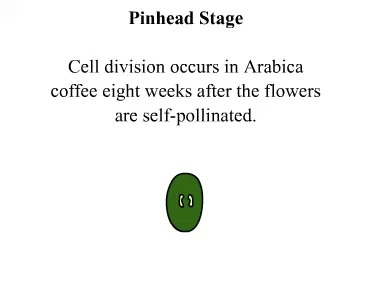
Detailed analysis of the specific changes in the ripening process of coffee beans by diagrams of the growth and ripening process of coffee beans
It takes about 8-9 months (32-36 weeks) for coffee to blossom to ripen. Today, Chongqing Beresta Coffee training School is here to share with friends the whole process of coffee bean growth and ripening. [tiny stage] (the first 8 weeks) Arabica coffee begins to divide eight weeks after flowering and fertilization. [site grabbing stage] (8-12 weeks) vesicle cavity (with ovary)

[washed java growing seed] what is the flavor and taste of the Java variety of the Manor San Jose in Nicaragua? Such as
For more information on coffee beans, please follow the coffee workshop (Wechat official account cafe_style) [washed Java seed] what is the flavor and taste of Java varieties in Manor San Jose, Nicaragua? How to cook Java coffee beans? San Jose Manor Java species, is a long classical strain, with floral and quite sweet fruit flavor! The batch code is 3012

Katim Coffee Bean Flavor description introduction to the characteristics of varieties in the manor area
Katim coffee bean flavor description taste manor variety characteristics introduced that this variety belongs to the variety of high and stable yield. The results of trial planting in different ecological types show that as long as it is planted in accordance with high-yield cultivation techniques, a higher yield will be obtained. the average yield per mu is more than 150 kg, and the small area can reach more than 400 kg. 1. The state-run Lujiang farm in Baoshan City planted 12.6 mu in March 1991.
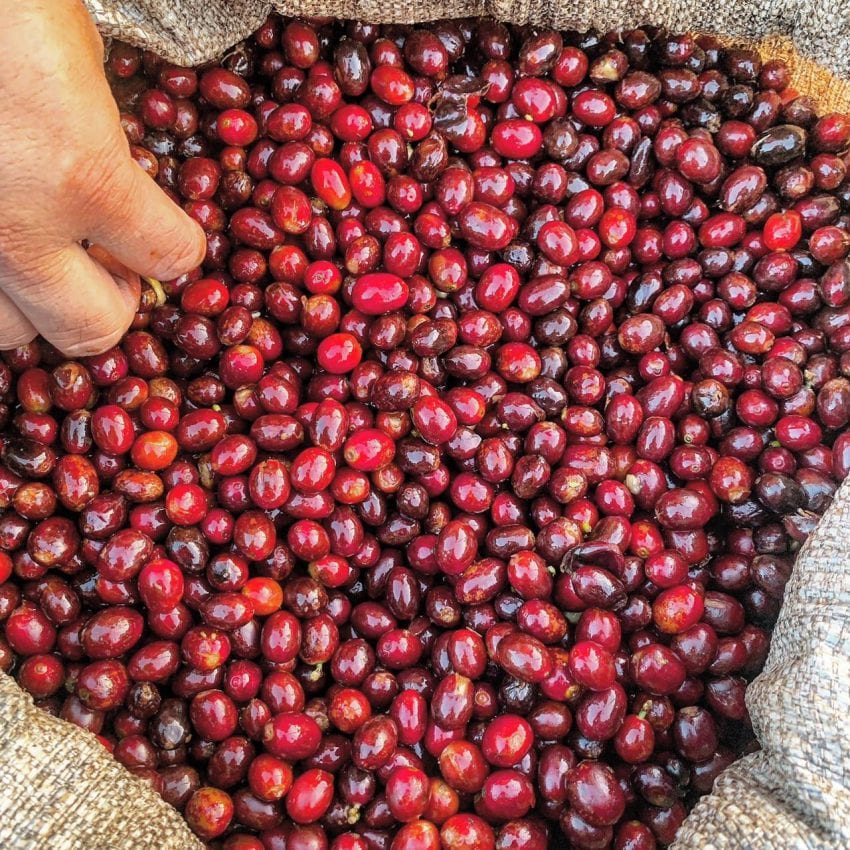
How to choose the right variety of coffee to grow? What factors should be considered in the selection of coffee varieties?
Professional coffee knowledge exchange more coffee bean information Please pay attention to the coffee workshop (Wechat official account cafe_style) to produce quality coffee, one of the most important factors is to choose the right coffee variety. Why do so many people invest in coffee breed breeding projects that require additional resources but are not necessarily reflected in the price in the end? The most important thing is how to make sure

General knowledge of Coffee planting Environmental requirements for the cultivation of small Coffee in Yunnan
Small seed coffee is native to the lower part of the Ethiopian rainforest in northern Africa. The temperature is relatively low, with an average annual temperature of 20 degrees. The origin of medium-grain coffee is near the equator. Therefore, small seed coffee has stronger cold tolerance and wider adaptability than medium grain coffee. Medium-grain coffee requires a slightly higher temperature. First, the requirement for temperature should be based on the natural conditions of Yunnan, and the suitable planting area of coffee should be selected.

Introduction to the characteristics and Price of Grinding degree by describing the Flavor of Las Haas Manor in Costa Rica
Costa Rican coffee is grown in Costa Rica with Arabica coffee trees. Through improvement, the quality of coffee beans is better and more stable. In order to facilitate picking, coffee trees are kept at a height of about 2 meters through continuous pruning. The coffee that people eat is the flavor released by the seeds in the fruit being brewed in water. After picking raw coffee beans, the peel, pulp and seed must be removed.

Avoid coffee containing pesticide residues, three steps to teach you to buy organic and safe coffee
Professional baristas Please pay attention to the Coffee Workshop (Wechat official account cafe_style) Coffee and tea have long been high economic value crops, and it is common to use pesticides and fertilizers to ensure stable yields. The most direct impact on consumers of coffee sprayed with pesticides and fertilizers is the health of you and me, although coffee beans are not directly eaten raw fruits and vegetables.

Tropical fruit-flavored [Prometedo farm in Nicaragua] how to rush the sun claw seeds by hand
Professional coffee knowledge exchange more coffee bean information please follow the coffee workshop (Wechat official account cafe_style) tropical fruit flavor [Nicaraguan Promitydonon

Arabica coffee
Coffee belongs to the evergreen shrub of the genus Coffea of Rubiaceae. There are about forty kinds of plants under the branch of Coffea, among which only three kinds of coffee with commercial value--Coffea arabica, Coffea robusta and Coffea Liberica, which are called "three original species of coffee". Arabica species account for world production

The requirements of geographical environment for the cultivation techniques of coffee trees
The cultivation technology editor requires that the origin of coffee tree [4] is in Ethiopia in Africa. In botany, coffee trees belong to the evergreen trees of the subgenus Rubiaceae, and coffee beans, commonly known as coffee beans, are actually the seeds of the fruit of coffee trees. They are called coffee beans only because they are shaped like beans. Climate is the decisive factor for coffee cultivation. Coffee trees are only suitable for growing in the tropics or

The taste of Costa Rican Fire Phoenix Sapphire Coffee beans treated by Grinding scale
Costa Rican Fire Phoenix Sapphire Coffee beans are grown in Costa Rica with Arabica coffee trees. Through improvement, the quality of coffee beans is better and more stable. In order to facilitate picking, coffee trees are kept at a height of about 2 meters by continuous pruning. The coffee that people eat is the taste of seeds in the fruit that are soaked in water. Pick raw coffee